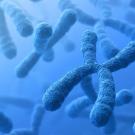
In testing the genetic material of current populations in Africa and comparing against existing fossil evidence of early Homo sapiens populations there, researchers have uncovered a new model of human evolution — overturning previous beliefs that a single African population gave rise to all humans. The new research was published today, May 17, in the journal Nature.
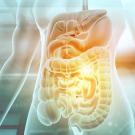
Using a specially designed capsule, researchers can now voyage through the digestive system, collecting new data about digestion and microorganisms. The work by a team including researchers at the University of California, Davis, Stanford University and Envivo Bio Inc., is published May 10 in papers in Nature and Nature Metabolism.
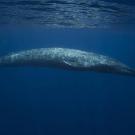
Mammals are an extraordinarily diverse and successful group of animals, from the tiniest pygmy shrew to the mighty blue whale, and including, of course, ourselves. In a special issue of the journal Science published today (April 27), the Zoonomia Consortium shows how comparing the genomes of 240 modern mammals sheds light on mammalian evolution, with implications for conservation and understanding human and animal health.
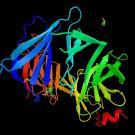
A new study shows exactly how the gene BRCA2, linked to susceptibility to breast and ovarian cancer, functions to repair damaged DNA. By studying BRCA2 at the level of single molecules, researchers at the University of California, Davis, have generated new insights into the mechanisms of DNA repair and the origins of cancer. The work was published the week of March 27 in the Proceedings of the National Academy of Sciences.
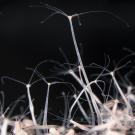
The Greek hero Heracles fought a monster called the Hydra, which grew two new heads for each one he lopped off. Heracles was lucky he wasn’t fighting something with the regenerative ability of the real Hydra, which can re-grow its entire body from a few hundred cells. This simple water animal is helping scientists explore how some animals can regrow missing body parts.
Female infants are born with several million immature egg cells, or oocytes. Over the course of the reproductive years, a few hundred of them will develop into mature eggs for potential fertilization. Because of this extended maturation process, the oocytes of humans and other mammals are vulnerable to both developmental exposures and the aging process.